

Seo For Universities
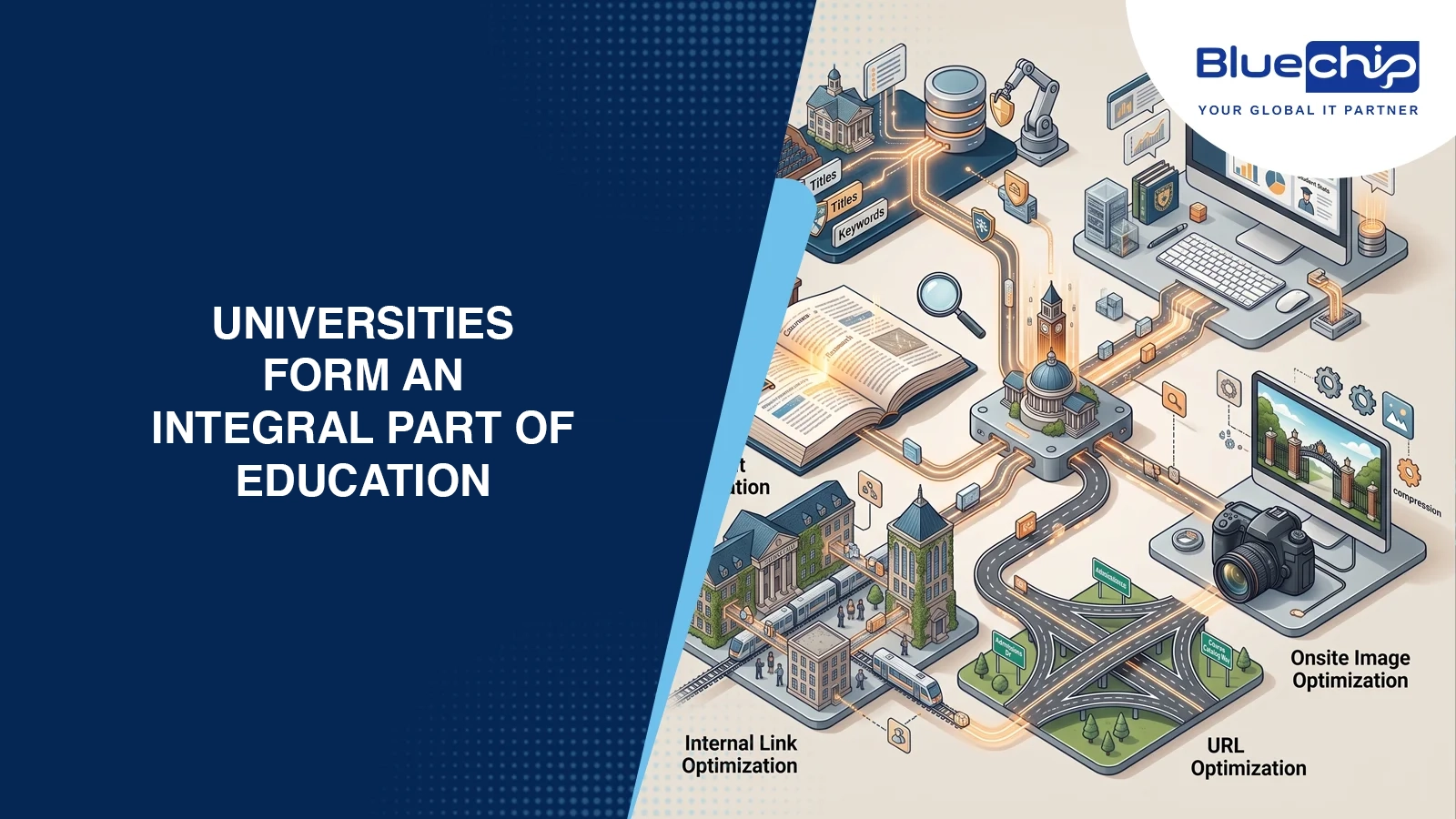
A university website serves prospective students, current students, parents, researchers, faculty and partners. Search engines also need to understand programmes, departments, admissions information, news, events, faculty profiles, research, PDFs and portals. University SEO therefore requires more than keywords: it needs clear information architecture, technically accessible pages, accurate content, strong internal linking and measurement tied to meaningful actions.
Why Universities Need a Dedicated SEO Approach
- Programme discovery — help students find relevant programmes before they know a specific institution.
- Admissions visibility — make requirements, deadlines and support information discoverable.
- Large-site control — reduce duplicate URLs, outdated pages and orphaned content.
- Trust and accuracy — maintain clear, current education information.
- Measurable journeys — connect organic discovery to enquiries, downloads, open-day registrations or application starts where trackable.
University SEO Services We Can Review
- Technical SEO audit: crawlability, indexation, XML sitemaps, canonicals, redirects, broken links, duplicate URLs and mobile performance.
- Programme and course SEO: page structure, search intent, titles, headings, supporting content, related programmes and internal links.
- Admissions content: application guidance, entry requirements, deadlines, fees/scholarships where officially published, FAQs and next-step paths.
- Information architecture: faculties, schools, departments, programmes, research, campuses and student services organized into clear search-friendly relationships.
- On-page SEO: metadata, H1/H2 hierarchy, image alt text, structured internal links and content clarity.
- Local and campus visibility: location/campus pages, consistent institutional details and relevant local search signals.
- Structured data review: suitable schema types can be evaluated where they accurately represent the page and are supported by Google/search-engine guidelines.
- Measurement: Search Console, analytics and conversion/event tracking to understand queries, landing pages and meaningful user actions.
Technical SEO for Large University Websites
Higher-education websites often grow over many years and may use more than one CMS, subdomain, portal or document repository. A technical SEO review should therefore go beyond basic metadata. It should identify which sections search engines can crawl and index, how duplicate URLs are handled, whether old content is still discoverable, and whether important student-facing pages are reachable through logical internal links.
- Crawl/indexation controls: robots directives, noindex usage, canonical tags, XML sitemaps and parameter URLs.
- Redirect governance: preserve useful signals when programmes, departments or URLs change; remove redirect chains where practical.
- PDF and document strategy: prevent important information from being trapped in isolated files when an HTML page would better support discovery and usability.
- JavaScript and portal content: confirm that essential public information is accessible to search engines and users without relying on fragile rendering paths.
- Performance and Core Web Vitals: review templates, images, scripts and third-party tools that affect mobile experience.
- International / multilingual content: if used, review language targeting, duplicate content and hreflang implementation where relevant.
What a Strong University SEO Programme Should Improve
A strong programme should improve the discoverability of relevant programme and admissions pages, make site structure easier to understand, reduce technical/indexation waste, strengthen content quality and internal navigation, and create better data for deciding what to improve next. SEO should be evaluated through qualified visibility and meaningful user actions rather than guaranteed rankings or enrolments.
What We Review for University SEO
Technical SEO audit; programme/course SEO; admissions content; information architecture; on-page SEO; internal linking; campus/local visibility; structured data review where appropriate; mobile performance/Core Web Vitals; content governance; Search Console/analytics measurement. Each workstream should be prioritized from audit evidence rather than applied as a fixed checklist to every university.
Discuss Your SEO University
How Prospective Students Search
Students may move from broad programme/subject searches to university comparisons, entry requirements, deadlines, fees/scholarships where published, campus location and specific branded queries. Build distinct pages for each stage and connect them with logical internal links.
Programme & Admissions Content Architecture
Give each programme a clear purpose and unique useful content. Use consistent templates without repeating generic paragraphs. Link programmes to the correct faculty/department, admissions guidance, related programmes and official application paths. Govern time-sensitive dates and requirements carefully.
Technical SEO for Large University Websites
Review crawl/indexation controls, XML sitemaps, canonicals, redirects, duplicate URLs, old pages, PDFs, JavaScript/portal content, internal links, mobile performance and Core Web Vitals. Where multiple subdomains or systems exist, define which public content should be discoverable and how signals are consolidated.
How We Measure University SEO Performance
Track more than rankings: organic impressions/clicks, programme/admissions query growth, landing-page quality, non-branded discovery and meaningful actions such as enquiries, prospectus downloads, open-day registrations or application starts where tracking is appropriate. Agree definitions before optimization begins.
FAQ
What is SEO for universities?
SEO for universities is the process of improving how university programmes, admissions information, departments, research, campus pages and other public content are crawled, understood and discovered in organic search. It combines technical SEO, content strategy, information architecture, on-page optimization and measurement.
How is university SEO different from normal business SEO?
University websites usually contain far more content, audiences and page types than a typical business site. The SEO strategy must account for programme architecture, admissions cycles, departments, faculty/research content, PDFs, portals, campus information and strict accuracy requirements.
Which university pages should be optimized first?
Priority normally starts with pages that serve high-value search journeys and business goals: key programme pages, admissions information, entry requirements, application guidance, campus/location pages and any pages already receiving significant impressions but underperforming. The exact order should come from an audit and search data.
Can SEO help students find specific programmes?
Yes, if programme pages clearly match relevant search intent and contain useful, unique information. SEO can improve discoverability, but it cannot guarantee rankings or enrolments. Programme structure, content quality, internal links, technical accessibility and competition all matter.
How should universities handle old programme or intake pages?
Do not leave outdated pages active without purpose. Review whether each page should be updated, redirected to the current equivalent, archived with clear context or removed. Redirect decisions should preserve useful links and prevent users from landing on obsolete admissions information.
Are PDF prospectuses and brochures bad for SEO?
PDFs are not inherently bad, but important information can be harder to navigate, update and connect to the wider website when it exists only in documents. Key programme and admissions information is often better supported by accessible HTML pages, with PDFs used as supplementary resources where appropriate.
Does a university need local SEO?
Local SEO can be relevant for campus discovery, branded searches and location-based queries, especially where an institution has multiple campuses. It should support accurate campus details and location pages rather than replace broader programme and admissions SEO.
How long does university SEO take to show results?
There is no reliable universal timeline. Results depend on the site’s starting condition, technical issues, content quality, competition, implementation speed and search demand. A better approach is to define measurable milestones for technical fixes, indexing, query visibility, traffic quality and conversion actions, then review progress regularly.