

SMS Marketing
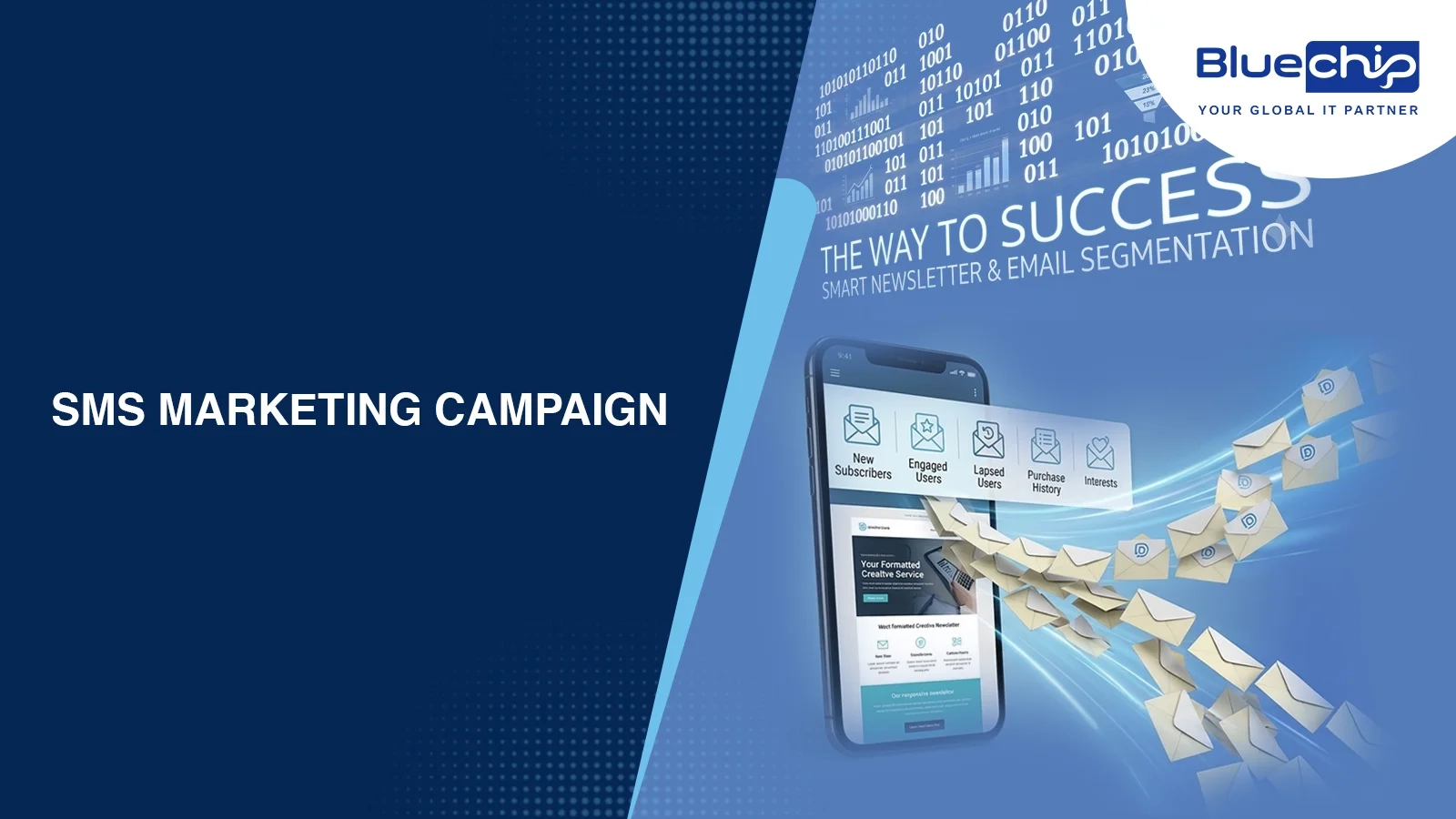
SMS Marketing Built Around Relevance and Permission
SMS can be useful when the message is short, expected and time-sensitive. A promotion, appointment reminder, event update, service notice or follow-up may fit the channel better than a long-form message. The starting point is not how many numbers are available; it is why the business is contacting those people, where the numbers came from and what recipients were told about marketing communication.
For a Kenyan business, a sustainable SMS program should define the campaign purpose, eligible audience, sender identity, message frequency, opt-out path and the action to be measured. This creates a clearer customer experience and reduces the risk of treating every mobile number as an unrestricted marketing contact.
What SMS Marketing Can Support
- Promotional campaigns for offers, launches or time-limited announcements where recipients are eligible to receive marketing.
- Event reminders and attendance updates for registered participants.
- Appointment, booking or service reminders where the message purpose and data use are appropriate.
- Customer updates that need a short, immediate mobile format.
- Re-engagement or follow-up messages where the audience and legal basis are clear.
- Short-link campaigns that direct recipients to a landing page, catalogue, booking flow or other measurable action.
Our SMS Marketing Approach
1. Define the objective
Clarify the campaign purpose, audience, desired action and success measure.
2. Review the data source
Confirm where mobile numbers came from, what recipients were told and how opt-outs/suppressions are handled.
3. Segment the audience
Use legitimate customer, location, interest, lifecycle or behavior data only when it improves relevance.
4. Build and test the message
Keep copy concise, identify the sender clearly, test links/response instructions and review timing/frequency.
5. Send, monitor and improve
Review delivery information, link clicks or responses, opt-outs and downstream conversions where tracking is available.
Sender Identity, Message Design and Delivery
SMS delivery is not the same as email inbox placement. Campaign setup may involve a mobile messaging provider, sender name or number, routing rules, templates or other requirements that depend on the provider and message type. Before launch, test the sender identity, message rendering, links and opt-out instructions on the actual route that will be used.
Avoid treating an SMS gateway as a guarantee of reach. Delivery reports can provide useful evidence, but handset availability, network conditions, invalid numbers, provider filtering and other factors can affect delivery. Campaign reporting should therefore separate submitted, delivered and failed messages where the platform exposes those statuses.
Segmentation and Frequency Matter
A first name alone does not make a campaign relevant. Useful segmentation may reflect customer relationship, service interest, location, lifecycle stage, previous purchase or event registration, provided that the data was legitimately collected and is appropriate for the purpose. Frequency should also match recipient expectations. Sending more often is not automatically better; monitor opt-outs and complaints as signals that cadence or targeting may need adjustment.
Measure Actions, Not Hype
Avoid treating open-rate claims as the core proof of SMS performance. For many campaigns, better evidence comes from delivery status, short-link clicks, replies, bookings, form submissions, purchases, coupon redemptions or other defined business actions. The right KPI depends on the campaign goal and the tracking available.
Kenya Privacy and Direct-Marketing Considerations
Mobile numbers are personal data. Kenya’s ODPC communication-sector guidance says that where direct marketing is one of the purposes for which personal data is collected or used, the individual should be notified of that purpose or consent to that use, and should be provided with a simplified opt-out mechanism. ODPC determinations have also highlighted promotional SMS sent without an opt-out mechanism.
Operationally, businesses should document list sources, respect opt-out requests, maintain suppression records so unsubscribed contacts are not re-added, and avoid purchased or scraped data with unclear provenance. Legal requirements can depend on the specific processing context, message type and provider arrangement, so complex campaigns should be reviewed with appropriate legal/compliance advice and the selected messaging provider.
Why Work With Bluechip Kenya
- Campaign planning tied to a defined audience, purpose and business action.
- Consent- and opt-out-aware list review before bulk promotional sending.
- Coordination with landing pages, websites, ecommerce or CRM systems where integration is relevant and supported.
- Message and frequency planning that prioritizes relevance over raw send volume.
- Reporting that focuses on delivery evidence, responses, clicks and business conversions where measurable.
Plan Your Next SMS Campaign
SMS Campaign Types
SMS can support different communication needs, but every message should have a clear purpose. Promotional campaigns may announce an offer or launch. Reminder messages can support appointments, bookings or registered events. Service updates can communicate time-sensitive operational information. Re-engagement messages can invite an eligible customer to return. The audience, wording, frequency and opt-out requirements should be planned according to the message type rather than forcing every use case into one generic “bulk SMS” campaign.
Audience, Consent and Opt-Out Management
The quality of an SMS program begins with the legitimacy of the mobile-number list. Record where numbers came from, the purpose for which they were collected and the communication choices given to the individual. Keep suppression records so people who opt out are not accidentally re-added through imports or system integrations. Avoid purchased, scraped or unverifiable lists; they create privacy, complaint and brand risks.
Sender Identity and Delivery Planning
Before sending at scale, confirm the route/provider, sender identity, destination coverage, delivery-report capability and any provider-specific registration or template requirements. Test real messages before launch. Do not promise 100% delivery: network conditions, invalid numbers, filtering and handset availability can affect outcomes. Where the platform exposes statuses, report submitted, delivered and failed messages separately.
Automation and Integrations
Automation is useful when it reflects a real customer event. Examples can include a booking reminder, event reminder, order/status update, renewal prompt or follow-up after an enquiry, depending on the business and message purpose. The workflow may depend on a CRM, website, ecommerce platform or API. Define the trigger, eligible audience, message, frequency, opt-out logic and exit condition before automating.
Measurement and Testing
Each SMS campaign should have a defined success measure. Depending on the objective, that may be delivered messages, replies, short-link clicks, booked appointments, form submissions, purchases or coupon redemptions. Test one meaningful variable at a time – audience segment, offer, wording, send timing or landing page – and compare the result with the campaign objective rather than relying on generic industry averages.
FAQ
What is included in SMS marketing services?
A typical service can include campaign strategy, audience segmentation, message planning, sender/provider coordination, opt-out handling, automation or integration support, testing and performance reporting. The exact scope depends on the business, platform and message type.
Do businesses need consent before sending marketing SMS in Kenya?
The requirements depend on how personal data was collected and the context in which it is used. ODPC guidance on direct marketing emphasizes notifying people when direct marketing is a purpose or obtaining consent to that use, and providing a simplified opt-out mechanism. Businesses should keep clear records of list sources and recipient choices.
How should customers opt out of promotional SMS?
The opt-out method should be simple and clearly communicated. ODPC guidance and determinations emphasize a simplified opt-out mechanism for direct marketing. The exact method can depend on the messaging setup, so businesses should confirm the process with their provider and keep suppression records after an opt-out.
What is the difference between promotional SMS and service notifications?
Promotional SMS aims to market an offer, product or service. Service notifications are operational messages such as reminders or status updates. The purpose, recipient expectation and data-processing basis may differ, so message types should be classified before campaign rules are applied.
Can SMS marketing integrate with a CRM, website or ecommerce platform?
Often yes, depending on the systems, APIs and messaging provider. Integration can support triggered messages, segmentation and conversion tracking, but data mapping, permissions, suppression handling and error conditions should be planned before launch.
How can a business improve SMS campaign quality?
Use legitimate lists, clear sender identity, concise relevant copy, sensible frequency, tested links or response instructions and strong opt-out handling. Segment audiences where useful, monitor delivery/opt-out signals and improve the next campaign based on real outcomes.
Which SMS marketing metrics matter most?
Useful metrics can include submitted and delivered messages, failed delivery where available, short-link clicks, replies, opt-outs and the business action the campaign is meant to generate, such as bookings, enquiries or purchases.
How often should a business send marketing SMS?
There is no universal frequency. It depends on what recipients were told, the value and urgency of the message, the buying cycle and opt-out/engagement patterns. A useful cadence is one the business can sustain without over-messaging the audience.