

Seo For Restaurants
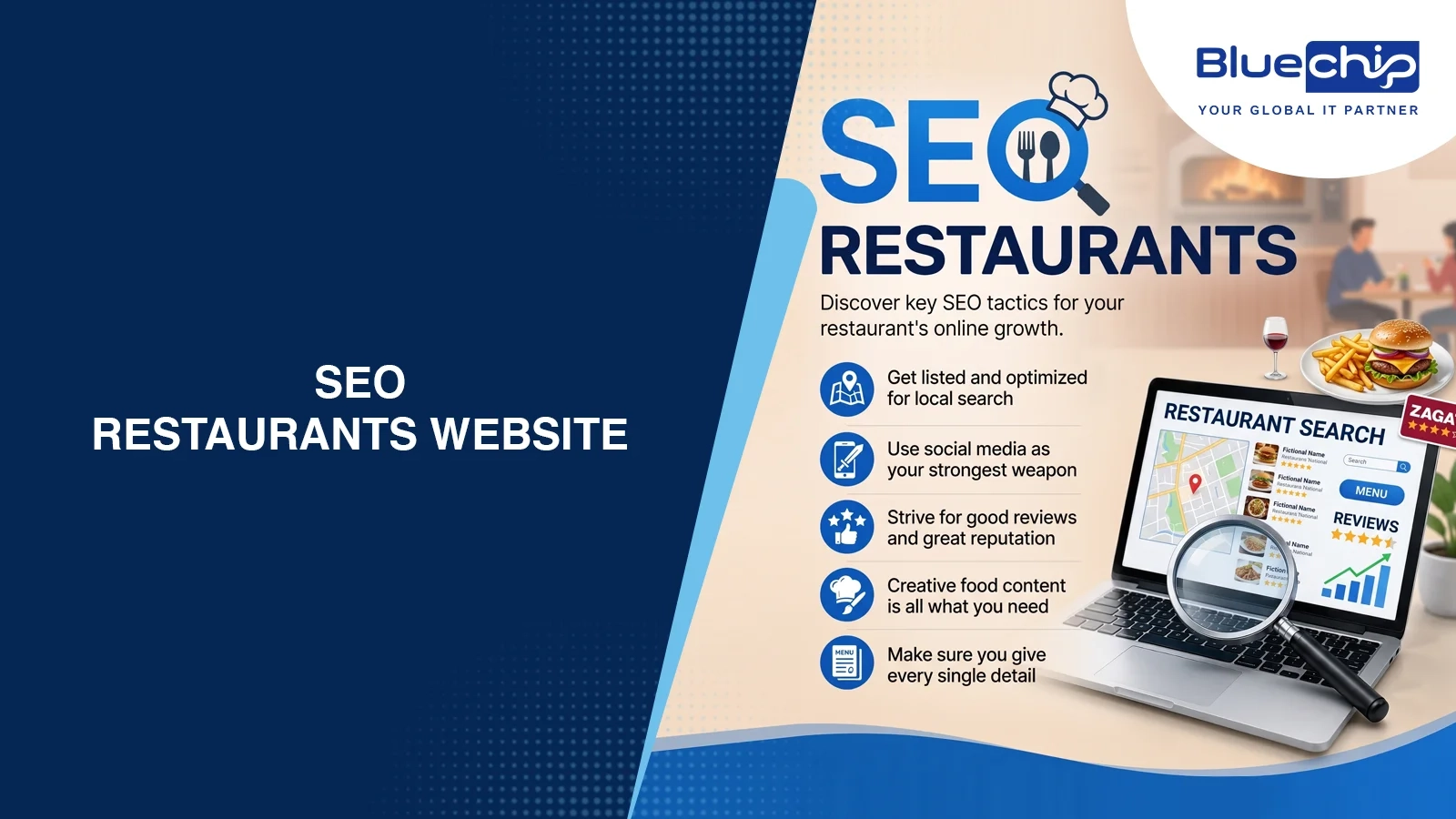
Restaurant SEO is about making the right information easy to find at the moment a customer is deciding where to eat, book, order or visit. That includes more than ranking a homepage. Search engines need clear signals about the restaurant’s name, location, cuisine, opening hours, menu, individual branches and the actions customers can take next.
For restaurants in Kenya, the work may involve Google Business Profile optimisation, local landing pages, menu and content improvements, technical fixes, structured data, internal linking and measurement. The exact plan should depend on how the restaurant operates: one location, several branches, dine-in only, reservations, delivery, takeaway, private dining, catering or a mix of these.
How People Search for Restaurants
- Cuisine intent: “Italian restaurant”, “nyama choma”, “sushi”, “vegetarian restaurant”.
- Location intent: restaurant + neighbourhood, road, landmark, shopping centre or city.
- Occasion intent: date night, family lunch, business dinner, brunch, group dining or private events.
- Menu intent: specific dishes, dietary preferences, breakfast, lunch, dinner or dessert.
- Action intent: menu, book a table, directions, phone number, opening hours, delivery or takeaway.
- Brand intent: restaurant name, branch name, reviews, menu, contact details or directions.
SEO should map these different intents to the most appropriate page or business profile information rather than forcing every keyword onto one landing page.
Local SEO for Restaurants
Local visibility depends heavily on accurate and complete business information. Each physical location should have consistent core details across the website and Google Business Profile, including the restaurant name, address, phone number, opening hours and relevant categories. Where the restaurant has multiple branches, each location should be represented clearly rather than relying on one generic location page for every outlet.
Google states that local results are mainly based on relevance, distance and prominence. SEO can improve relevance and prominence signals, but distance is determined by where the searcher is located and cannot be “optimised away.” This is why realistic reporting should focus on qualified visibility and customer actions, not guaranteed map positions.
Menu, Cuisine and Restaurant Content
A restaurant website should make important menu information easy for both customers and search engines to access. Where practical, key menu categories and signature offerings should be available in crawlable HTML rather than being available only inside an image or PDF. PDFs can still be useful for downloads or printed menus, but they should not replace the main website experience if the goal is search visibility and mobile usability.
Content should reflect what the restaurant genuinely offers. Useful pages may include cuisine or concept information, branch details, private dining, catering, events, seasonal menus, dietary information or FAQs. New pages should only be created where there is a real customer need and enough unique information to justify them.
Reviews and Reputation
Reviews can influence customer decisions and are also one of the signals Google references when discussing local prominence. Restaurants should make it easy for genuine customers to leave feedback and should respond professionally to reviews, particularly when information such as hours, service or menu availability is questioned.
Do not promise star review snippets simply by adding review schema to the restaurant’s own website. Google does not display self-serving review rich results for LocalBusiness or Organization markup when the business controls the reviews. Structured data should represent visible, factual information rather than being used to manufacture rating features.
Technical SEO and Mobile Experience
Restaurant customers often need answers quickly: where the restaurant is, whether it is open, what it serves and how to book or get directions. Technical SEO therefore needs to support fast, mobile-friendly access to menus, location information, booking links and contact actions. The audit should check indexation, canonicals, redirects, XML sitemaps, broken links, duplicate URLs, page speed, Core Web Vitals, structured data validity and mobile usability.
Measuring Restaurant SEO
Rankings and traffic are useful indicators, but they are not the only outcomes that matter. Reporting should connect organic and local visibility to actions such as calls, website clicks from Google Business Profile, direction requests, booking-button clicks, menu views, enquiry forms or other conversion events that the restaurant can reliably measure. The exact metrics depend on the booking, ordering and analytics systems in use.
Discuss Your Restaurant SEO Project
What We Review for Restaurant SEO
- Google Business Profile completeness, categories, hours, contact details and website links.
- Branch and location-page structure for single- or multi-location restaurants.
- Website crawlability, indexation, canonical tags, sitemaps, redirects and broken links.
- Menu accessibility, cuisine/category relevance and internal linking.
- Page titles, headings, metadata, image optimisation and on-page content.
- Restaurant / LocalBusiness structured data where appropriate and supported by visible page information.
- Mobile performance and Core Web Vitals on high-intent pages such as menus, locations and booking pages.
- Review and reputation workflow, citation consistency and local reference signals.
- Analytics and conversion tracking for measurable customer actions.
SEO for Multi-Location Restaurants
A restaurant group should normally give each physical branch a clear, indexable location page with unique operational information. A useful location page can include the branch address, opening hours, contact number, map/directions, booking link, location-specific menu or service differences, parking/access information and nearby landmarks where those details are genuinely helpful.
Avoid creating dozens of near-identical city or neighbourhood pages that differ only by the place name. Location pages should exist because customers need the information, not simply to multiply keywords. Internal links should help users move between the main restaurant brand, menus and individual branches without creating competing pages for the same search intent.
Why Choose Bluechip Kenya for Restaurant SEO?
- Restaurant-specific search planning instead of a generic industry checklist.
- Local SEO and website SEO considered together, including branch structure and Google Business Profile information.
- Technical, content and conversion issues prioritised by their likely impact on discovery and customer actions.
- Clear separation between what SEO can influence and factors such as searcher distance that cannot be guaranteed.
- Reporting designed around relevant visibility and measurable actions rather than unsupported ranking promises.
FAQ
What is restaurant SEO?
Restaurant SEO is the process of improving a restaurant’s visibility in organic and local search results. It can include Google Business Profile optimisation, location pages, menu and cuisine content, technical SEO, structured data, reviews guidance, internal linking and performance measurement.
How can a restaurant improve visibility on Google Maps?
Start with an accurate, verified Google Business Profile and complete business information, including the correct category, address, hours, phone number, website and relevant photos. Website relevance, links, reviews and overall prominence also matter. Google states that local ranking is mainly based on relevance, distance and prominence.
Does SEO help a restaurant with multiple branches?
Yes. Multi-location restaurants need a clear branch structure so each location can be understood separately. Each branch should have accurate business information and, where appropriate, a unique location page with genuinely useful local details instead of duplicated city-name content.
Should a restaurant menu be a PDF or a web page?
A PDF can be useful as a downloadable menu, but key menu information is usually easier to discover and use when it is also available as crawlable, mobile-friendly web content. The right setup depends on how frequently the menu changes and how the website is managed.
Can review schema make a restaurant’s own Google star rating appear in organic results?
Not in the way older SEO advice often suggests. Google does not show self-serving review rich results for LocalBusiness or Organization markup when the business controls the reviews. Review strategy should focus on genuine customer feedback and accurate structured data.
What restaurant searches should an SEO strategy target?
The useful query set usually includes cuisine, location, occasion, menu item, dietary need, brand and action searches such as menu, hours, directions or booking. The right mix depends on the restaurant’s real concept and services.
How long does restaurant SEO take?
There is no fixed ranking timeline. Timing depends on the starting condition of the website and business profiles, competition, technical issues, content quality, location and how quickly recommended changes are implemented. SEO should be measured as an ongoing improvement programme rather than a guaranteed deadline.
What should restaurant SEO reporting include?
Useful reporting can include organic visibility, local search performance, website traffic and measurable actions such as calls, direction requests, booking clicks, menu views or enquiries where those events can be tracked reliably.